

• Natural Henna
• Mahogany Hair Color
• Burgundy Hair Color
• Golden Brown Hair Color
• Chestnut Brown Hair Color
• Natural Black Hair Color
• Orange Hair Color
• Lemon Hair Color
Home
» Ingredients used in our henna/hair color
Ingredients Used in Our Henna/Hair Color
Impression
Cosmetics is a well recognized name in the filed of henna hair color
manufacturers and suppliers from India. We manufacture & export premier
quality henna hair colors. Our hair colors are developed using pure &
natural henna and other herbs & ayurvedic ingredients. All the
ingredients used in the manufacturing process of herbal hair colors contains
pure henna and selected herbs as described in century old Indian vedas. Our
range of hair colors like Natural Black, Burgundy, Mahogany Brown, Chestnut
Brown, Golden Brown, Orange and Lemon hair colors are all dermatologically
tested and are quality certified.
Natural Hair Colors hair colors are non toxic, contains no chemicals like
paraphenlene-diamine ( PPD ). There is no ammonia, no peroxide, no synthetic
dyes in our hair colors. It is a 100% natural hair dye. We give below a
brief description of ingredients used in our herbal hair colors:
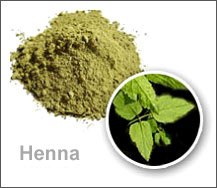 Botanical
name: Lawsonia Inermis
Botanical
name: Lawsonia Inermis
Common names: Henna, Al-Khanna, Al-henna, Jamaica Mignonette, Mehndi, Mendee.
Description: It is the leaf of a small shrub, about 8-10 feet tall shrub with white and yellow, sweet-smelling flowers.
Cultivation regions: India, Pakistan, Kurdistan, Persia, Sudan, Syria and Egypt
Constituents: Lawson, Glucose, Tannins Mannitol, Gallic Acid, Fat, Resin and Mucilage
Coloring agent: Lawson
Uses: A coloring medium used by the mankind for centuries. Used as henna powder for hair coloring, hair conditioning, tattoo. Also used in oil, it can be used by both men and women of all age groups. Known to be a hypoallergenic dye used by pregnant woman.
Brahmi
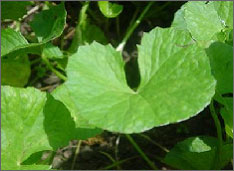 Botanical name: Bacopa
Monnieri
Botanical name: Bacopa
Monnieri
Common names: Brahmi, Halneem, Bacopa, Jalnaveri, Jalanimba, Sambrani chettu, thyme-leaved gratiola
Description: A perennial, creeping herb of 1-2 feet tall
Cultivation regions: Marshy areas throughout India, China, Taiwan, Nepal, Sri Lanka, and Vietnam, Florida and other southern states of the USA
Constituents: Triterpene Saponins, Bacoside A and B, Bramhine, Glucosides, Resins
Uses: Besides having medicinal uses as to help benefit memory capacity, increase concentration, and reduce stress-induced anxiety, brahmi is essentially used as a Hair tonic, Hair nourishment, Hair vitalizer. Using brahmi powder helps in treating hair loss. It strengthens the hair roots, relieve itchy scalp problems and help dandruff.
Amla
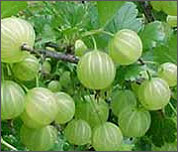 Botanical
name: Emblica Officinalis
Botanical
name: Emblica Officinalis
Common names: Amla, Amlakhi, Indian gooseberry
Description: Small to medium sized tree with a height of around 8 to 18 m with crooked trunk and spreading branches.
Cultivation regions: Throughout India
Constituents: Vitamin C (Ascorbic acid), Phyllemblic acid, Gallic acid, Phyllembin, Ellagic acid
Uses: Constituting highest amount of Vitamin C, amla acts as as detoxifying agent for a sluggish liver, promotes radiant skin, reduces cholesterol and boosts the absorption of calcium. Another important benefit of amla is that it promotes healthier hair and hence widely used in hair care products. It is excellent for strengthening the roots of your hair and main color and luster.
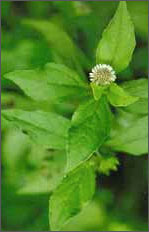 Bhringraj
Botanical name: Eclipta Alba
Common names: Balari, Bhangra, Bhringraj, Bhengra, Mochkand
Description: A common weed, mostly grown in paddy growing areas
Cultivation regions: Throughout India
Constituents: Ecliptine, Nicotin, Glucosides
Uses: Widely used as an Ayurveda and Yunani medicine, it is useful in inflammations, eye diseases, bronchitis, anaemia, heart and skin diseases. It is reported as beneficial for complexion, hair, teeth and eyes. Used for the treatment of devitalized hair. Used along with other herbs, Bhringraj is a effective as a hair conditioner. Bhringraj oil when massaged on to the scalp, gives a calming effect and premature graying.
Shikakai
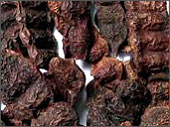 Botanical
name: Bixa Orellana/ Acacia Concinna
Botanical
name: Bixa Orellana/ Acacia Concinna
Common names: Kochi, Ritha, Banritha
Description: A plant with a height of 2 feet to 9 feet height, grown in extremely drought resistant and semiarid regions
Cultivation regions: Tropical jungles throughout India especially in Deccan and is also widely distributed in Burma
Constituents: Saponin, Malic acid, Glucose, Gum
Uses: It promotes growth of hair and remove dandruff, besides being used as a soap and detergent. Pods ground up and formed into an ointment make a good application in skin diseases. It acts as an anti dandruff, anti lice and hair vitalizer
Guar Gum
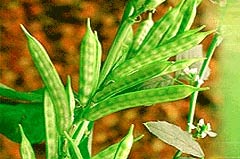 Botanical
name: Cyamopsis Tetragonolobs L
Botanical
name: Cyamopsis Tetragonolobs L
Common names: Guar, guar flour, jaguar gum
Description: A common prickly scandent bush
Cultivation regions: India, Pakistan, United States and also in some parts of Africa and Australia.
Uses: A gum extracted from the guar beans forms a gel in water, referred to as guar gum. Guar gum is used as a binding and thickening agent in the hair colors to make it non dripping.
Tartaric Acid (Dihydroxybutanedioic)
Tartaric acid is a white crystalline organic acid and one of the main acids found in wine. It is added to other foods to give a sour taste and is used as in antioxidant. The use of Tartaric acid (Dihydroxybutanedioic) in hair colors helps in outstanding fastness properties, particular an outstanding light fastness, wash fastness and friction fastness.
Citric Acid
Citric acid is made from citrus fruits, having large amounts of vitamin C. Used commonly in hair and skincare. When applied to hair, citric acid opens up the cuticle or the outer layer. While the cuticle is open, it allows for a deeper penetration into the hair shaft. It also gives a lustre to the hair.
- Henna (Lawsonia Inermis)
- Amla (Emblica Officinalis)
- Shikakai (Acacia Concinna)
- Brahmi (Bacopa Monnieri)
- Bhringraj (Eclipta Alba)
- Guar Gum (Cyamopsis Tetragonolobus L).
- Tartaric Acid (Dihydroxybutanedioic)
- Citric Acid
Botanical
name: Lawsonia InermisCommon names: Henna, Al-Khanna, Al-henna, Jamaica Mignonette, Mehndi, Mendee.
Description: It is the leaf of a small shrub, about 8-10 feet tall shrub with white and yellow, sweet-smelling flowers.
Cultivation regions: India, Pakistan, Kurdistan, Persia, Sudan, Syria and Egypt
Constituents: Lawson, Glucose, Tannins Mannitol, Gallic Acid, Fat, Resin and Mucilage
Coloring agent: Lawson
Uses: A coloring medium used by the mankind for centuries. Used as henna powder for hair coloring, hair conditioning, tattoo. Also used in oil, it can be used by both men and women of all age groups. Known to be a hypoallergenic dye used by pregnant woman.
Brahmi
Botanical name: Bacopa
MonnieriCommon names: Brahmi, Halneem, Bacopa, Jalnaveri, Jalanimba, Sambrani chettu, thyme-leaved gratiola
Description: A perennial, creeping herb of 1-2 feet tall
Cultivation regions: Marshy areas throughout India, China, Taiwan, Nepal, Sri Lanka, and Vietnam, Florida and other southern states of the USA
Constituents: Triterpene Saponins, Bacoside A and B, Bramhine, Glucosides, Resins
Uses: Besides having medicinal uses as to help benefit memory capacity, increase concentration, and reduce stress-induced anxiety, brahmi is essentially used as a Hair tonic, Hair nourishment, Hair vitalizer. Using brahmi powder helps in treating hair loss. It strengthens the hair roots, relieve itchy scalp problems and help dandruff.
Amla
Botanical
name: Emblica OfficinalisCommon names: Amla, Amlakhi, Indian gooseberry
Description: Small to medium sized tree with a height of around 8 to 18 m with crooked trunk and spreading branches.
Cultivation regions: Throughout India
Constituents: Vitamin C (Ascorbic acid), Phyllemblic acid, Gallic acid, Phyllembin, Ellagic acid
Uses: Constituting highest amount of Vitamin C, amla acts as as detoxifying agent for a sluggish liver, promotes radiant skin, reduces cholesterol and boosts the absorption of calcium. Another important benefit of amla is that it promotes healthier hair and hence widely used in hair care products. It is excellent for strengthening the roots of your hair and main color and luster.
BhringrajBotanical name: Eclipta Alba
Common names: Balari, Bhangra, Bhringraj, Bhengra, Mochkand
Description: A common weed, mostly grown in paddy growing areas
Cultivation regions: Throughout India
Constituents: Ecliptine, Nicotin, Glucosides
Uses: Widely used as an Ayurveda and Yunani medicine, it is useful in inflammations, eye diseases, bronchitis, anaemia, heart and skin diseases. It is reported as beneficial for complexion, hair, teeth and eyes. Used for the treatment of devitalized hair. Used along with other herbs, Bhringraj is a effective as a hair conditioner. Bhringraj oil when massaged on to the scalp, gives a calming effect and premature graying.
Shikakai
Botanical
name: Bixa Orellana/ Acacia ConcinnaCommon names: Kochi, Ritha, Banritha
Description: A plant with a height of 2 feet to 9 feet height, grown in extremely drought resistant and semiarid regions
Cultivation regions: Tropical jungles throughout India especially in Deccan and is also widely distributed in Burma
Constituents: Saponin, Malic acid, Glucose, Gum
Uses: It promotes growth of hair and remove dandruff, besides being used as a soap and detergent. Pods ground up and formed into an ointment make a good application in skin diseases. It acts as an anti dandruff, anti lice and hair vitalizer
Guar Gum
Botanical
name: Cyamopsis Tetragonolobs LCommon names: Guar, guar flour, jaguar gum
Description: A common prickly scandent bush
Cultivation regions: India, Pakistan, United States and also in some parts of Africa and Australia.
Uses: A gum extracted from the guar beans forms a gel in water, referred to as guar gum. Guar gum is used as a binding and thickening agent in the hair colors to make it non dripping.
Tartaric Acid (Dihydroxybutanedioic)
Tartaric acid is a white crystalline organic acid and one of the main acids found in wine. It is added to other foods to give a sour taste and is used as in antioxidant. The use of Tartaric acid (Dihydroxybutanedioic) in hair colors helps in outstanding fastness properties, particular an outstanding light fastness, wash fastness and friction fastness.
Citric Acid
Citric acid is made from citrus fruits, having large amounts of vitamin C. Used commonly in hair and skincare. When applied to hair, citric acid opens up the cuticle or the outer layer. While the cuticle is open, it allows for a deeper penetration into the hair shaft. It also gives a lustre to the hair.
Send
Enquiry
About
Us || Quality || Infrastructure
|| Team || Laboratory
|| Packaging || Why
us? || FAQ's || || Send Enquiry
Copyright 2019
NaturalHairColors.com. All rights reserved.