

• Natural Henna
• Mahogany Hair Color
• Burgundy Hair Color
• Golden Brown Hair Color
• Chestnut Brown Hair Color
• Natural Black Hair Color
• Orange Hair Color
• Lemon Hair Color
Home
» About Henna »
Introduction & History of Henna
Introduction & History of Henna
'Henna
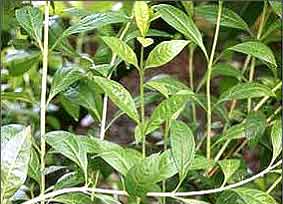
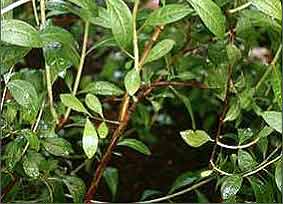
or Lawsonia Inermis' is a small bush or shrub that grows extravagantly
throughout the middle eastern countries like Pakistan, India, Africa and
Morocco and some tropical, subtropical regions of Africa, southern Asia and
northern Australasia in semi-arid zones. The henna plant can grow upto 8 to
10 feet high and the dry leaf of the henna shrub is ground up to produce a
powder which is then made into a paste and applied to the skin or hair
producing a dark, deep tarnishing color that wears out over time.
History of Henna
Since 3400 BC era, henna has been used and mentioned in the bible as being used for adornment of hair, body as well as scent. In the middle eastern countries, women and men used henna for dyeing their hair.
The henna
paste is used on different occasions of religious festivals, wedding
ceremonies etc. Till today, henna is used in sacred and ritualistic
ceremonies in India which has gained appreciation in other countries also,
as a beautiful art to be appreciated at any time.
In the period of 1700 BCE to 900 BCE there are many figurines from Crete and Mycenae that show goddesses with raised hands that appear to be adorned with henna. The earliest civilizations that used henna are Babylonians, Assyrians, Sumerians, Semites, Ugaritics and Canaanites. In the historical period when Islam began in the 6-7th centuries AD, henna was unified into the customs of Muslims from the western Middle Eastern women's henna traditions that were widespread and long established.
Henna Leaves
Supreme quality henna leaves are procured from the farms cultivated by traditional farmers. Henna belongs to a privet family which has been known for centuries for its brilliant hair conditioning, medicinal and coloring properties. The leaves of the henna plant are best used for Mehandi and hair coloring, while the lower part of the plant is used for the other medicinal purposes. Quality and color of henna leaves depend on which state and country it is grown. Various ingredients used in henna are chamomile, bayberry root, rhubarb, coffee, tea, cloves, walnut powder and indigo to get rich vivacious colors. Henna is 100% natural which is good for your hair, skin and is very effective.
Since 3400 BC era, henna has been used and mentioned in the bible as being used for adornment of hair, body as well as scent. In the middle eastern countries, women and men used henna for dyeing their hair.
 |
 |
In the period of 1700 BCE to 900 BCE there are many figurines from Crete and Mycenae that show goddesses with raised hands that appear to be adorned with henna. The earliest civilizations that used henna are Babylonians, Assyrians, Sumerians, Semites, Ugaritics and Canaanites. In the historical period when Islam began in the 6-7th centuries AD, henna was unified into the customs of Muslims from the western Middle Eastern women's henna traditions that were widespread and long established.
Henna Leaves
Supreme quality henna leaves are procured from the farms cultivated by traditional farmers. Henna belongs to a privet family which has been known for centuries for its brilliant hair conditioning, medicinal and coloring properties. The leaves of the henna plant are best used for Mehandi and hair coloring, while the lower part of the plant is used for the other medicinal purposes. Quality and color of henna leaves depend on which state and country it is grown. Various ingredients used in henna are chamomile, bayberry root, rhubarb, coffee, tea, cloves, walnut powder and indigo to get rich vivacious colors. Henna is 100% natural which is good for your hair, skin and is very effective.
Send
Enquiry
|
About
Us || Quality ||
Infrastructure || Team
|| Laboratory ||
Packaging || Why
us? || FAQ's || Contact
us || Send Enquiry |
|
Copyright 2019
NaturalHairColors.com. All rights reserved.
|